
Is Spicy Kimchi Right for You? A Beginner’s Guide
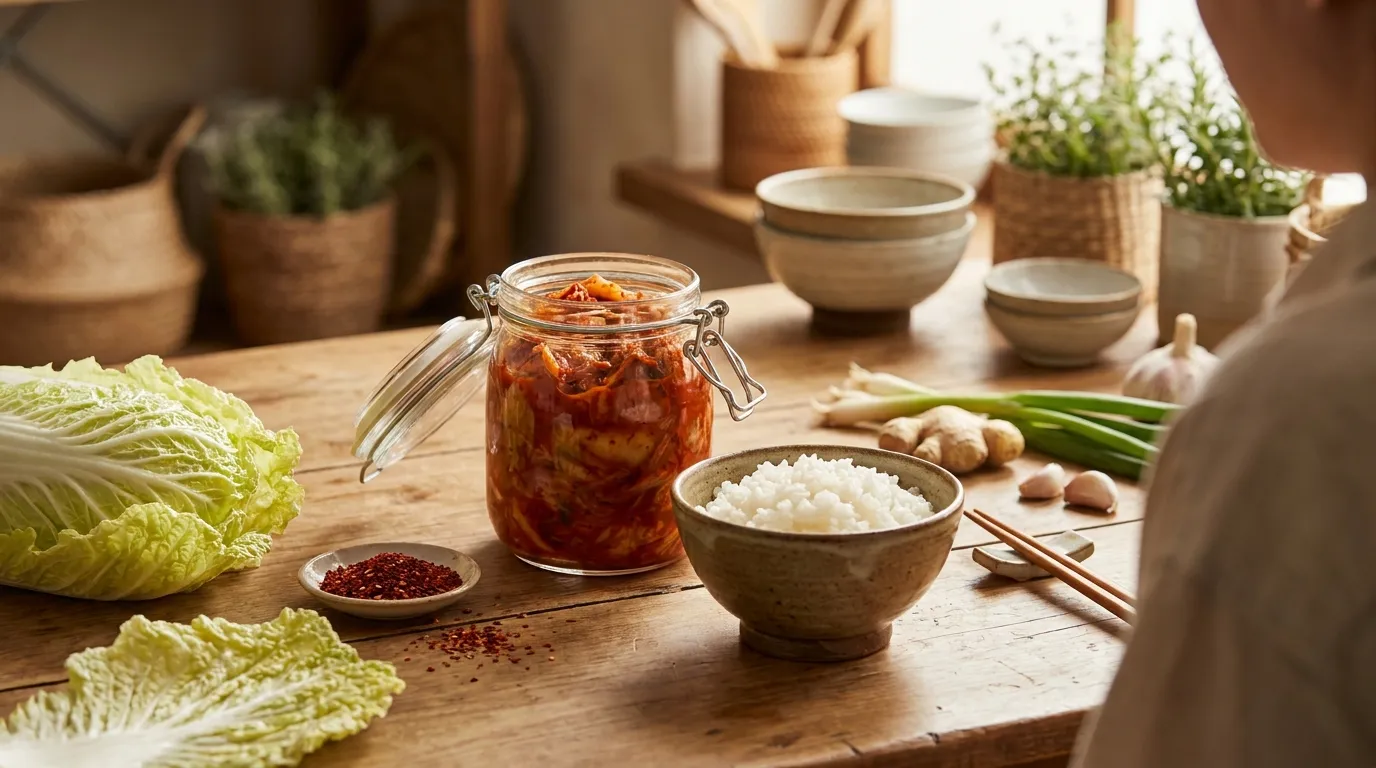
If you’ve ever looked at a jar of spicy kimchi and wondered, “Will I actually like this?”, you’re not alone. Plenty of first-time buyers are curious about kimchi but still unsure about the heat, smell, texture, and even how to use it at home. That goes double for people trying to eat more gut-friendly foods, shop local in Barcelona, or try Korean food without spending money on something that ends up feeling too intense.
Spicy kimchi isn’t just for extreme chili fans. It comes in different heat levels, styles, and ingredient mixes, so one jar can taste bold and fiery while another feels balanced, fresh, and much easier for beginners to enjoy. Your own taste, diet, and plans for eating it will help shape the right choice.
Here’s what to expect from spicy kimchi, who it suits best, when it might not be the right fit, and how to pick a beginner-friendly jar. It also covers vegan questions, meal ideas, buying tips, and what Barcelona shoppers should know when looking for fresh kimchi products from a local maker like Hellyn's Kitchen.
What spicy kimchi actually tastes like
Many people hear the word 'spicy' and picture one strong sensation: heat. Spicy kimchi has a lot more going on. Good kimchi brings chili warmth, sourness from fermentation, saltiness from seasoning, natural sweetness from vegetables, and a deep savory taste all at once. That mix is what makes it interesting. More layered.
That matters for beginners. They’re not buying hot sauce. They’re buying a living fermented food with real layers of flavor. Napa cabbage kimchi starts crisp and fresh, then gets tangier as it ferments. Radish kimchi can feel crunchier and sharper. Some kimchi products taste clean and bright. Others taste rich and funky.
Interest in bold food goes beyond personal taste. Market and trend data show that clearly. Datassential found that 30% of consumers look for intense or bold flavor profiles in indulgent products. Another industry report found that 95% of restaurant menus now include spicy options, up from 91.6% in 2015. That says a lot. Readers can explore more food trend reporting at Datassential.
| Trend | Value | Year |
|---|---|---|
| Consumers seeking bold or intense flavors | 30% | 2026 |
| Restaurant menus featuring spicy options | 95% | 2025 |
| Spicy menu penetration | 91.6% | 2015 |
Those numbers help explain why spicy kimchi feels less niche than it did before. For many people in Barcelona, it fits a modern way of eating: more global flavors, more fermented foods, and more interest in food that feels alive and fresh.
Who enjoys spicy kimchi most
Spicy kimchi is a good fit for a few kinds of shoppers. It works especially well for people who already like foods with some heat, like harissa, hot paprika, salsa brava or chili oil. For those shoppers, kimchi can feel exciting, not intimidating.
It also suits health-conscious eaters who want fermented foods with more personality. Some people try sauerkraut or plain fermented vegetables, then decide the flavor feels too simple. Spicy kimchi adds more flavor, which can make healthy eating feel easier and more enjoyable.
Vegan and plant-based shoppers like it too, as long as they choose kimchi made without fish sauce or shrimp ingredients. That part matters. Kimchi isn’t automatically vegan, so shoppers need to read the label or ask the maker before they buy.
Home cooks are another strong match, especially if they want one ingredient that can do a lot. A spoonful can wake up rice, eggs, noodles, grain bowls, sandwiches or tofu. For anyone looking for easy ways to use it after buying a first jar, this guide on how to eat kimchi can help them get started without overthinking dinner.
Interest in fermented food keeps rising, too. Grand View Research reported that North America fermented foods and beverages held over 38.64% revenue share in 2024, driven in part by probiotic awareness and plant-based demand. That number doesn’t say whether you will love kimchi. Still, it helps explain why more first-time buyers are trying kimchi products as part of daily eating. Additional fermented food market insights are available from Grand View Research.
Signs spicy kimchi may not be the best first pick
Spicy kimchi can work for beginners, but for some people, it’s not the easiest way to start. If someone is very sensitive to heat, strong smells, or sour fermented foods, that first bite can hit really hard, fast. One big jar that’s extra ripe and very hot can turn simple curiosity into regret pretty quickly.
It helps to be honest about personal habits.
You may want a milder start if:
- You avoid chili flakes, hot sauces or spicy stews
- You have never tried fermented cabbage before
- You prefer clean, simple flavors over sharp or punchy foods
- You want kimchi mainly as a side dish, not a strong cooking ingredient
- You share a home with others who may also be unsure about the smell or spice level
That does not mean kimchi is a bad fit. It just means the kind you choose matters. For beginners, fresh small-batch kimchi can feel easier than older supermarket jars that have become very sour and intense over time. Texture matters too. Kimchi with a good crunch and balanced seasoning feels much more approachable.
People also make the mistake of buying kimchi based only on the word 'authentic' without thinking about what that means for their own taste. Authentic kimchi can still vary a lot: spice, ripeness and ingredients. If you want more background on traditional styles, you can read what makes traditional kimchi different, then come back to this guide and decide what suits your comfort level.
How to choose the right kimchi products as a beginner
For your first jar, focus on four simple things when shopping: spice level, ingredients, batch style, and portion size.
1. Check the ingredient list
Look for clear ingredients you recognize. If vegan shopping matters, make sure there’s no fish sauce, anchovy, or shrimp-based seasoning. Sensitive to certain foods? Start here. Kimchi ingredients can vary more than many people expect.
2. Ask about heat level
Spicy kimchi doesn’t always have the same burn. Some jars feel warm and balanced. Others build slowly. Ask a local maker. They can tell you if a batch is beginner-friendly, medium, or strong.
3. Prefer fresh-to-order or small-batch when possible
Fresh kimchi gives a better sense of the product. The vegetables tend to stay crunchier, and fermentation keeps developing in the fridge over time, so there’s a bit more control over how the flavor changes. More control.
4. Start with a realistic amount
Don’t buy the biggest jar just because it seems like a better deal. See how much actually gets eaten first. Once that’s clear, buying more later makes a lot more sense. Start small.
If it’s hard to guess what size works for one person, a couple, or a family, this article on best kimchi jar sizes for home use can help. For local buyers, Hellyn’s Kitchen stands out. The brand makes small-batch homemade kimchi in Barcelona, which helps if fresher kimchi matters more than shelf-stable mass-market options.
Easy ways to make spicy kimchi feel less intense
A lot of beginners start enjoying spicy kimchi once they stop treating it like challenge food. It doesn’t need to feel like a test. On day one, there’s no need to eat a full side bowl. It often feels better to start small and pair it with foods that soften the heat.
Good beginner pairings include:
- Warm rice
- Avocado toast with a small amount on top
- Fried or scrambled eggs
- Noodles with sesame oil
- Grilled cheese or a simple sandwich
- Tofu or roasted potatoes
Fat, starch, and protein help balance the spice and acidity. That makes kimchi easier to enjoy, especially if you're still getting used to the taste. Beginners can also chop it finely and mix a little into mayo, grain bowls, or soups instead of jumping straight to large pieces.
Kimchi is also growing beyond Korean home kitchens because it’s convenient. Reuters reported that South Korean kimchi exports rose 5.8% year on year to 47,100 tonnes in 2024, and global brands keep launching kimchi-inspired formats for younger, home-based eaters. People want bold flavor in easy forms. Reuters food coverage offers more context on those export trends at Reuters.
For Barcelona shoppers, local delivery, pickup, and repeat orders matter. A neighborhood-based, fresh-to-order Korean fermented food shop like this Barcelona kimchi brand can make trying kimchi feel easier than hunting for random jars across different stores.
What repeat buyers and local shoppers should think about next
Once shoppers know they like spicy kimchi, the questions start to shift. The fear is mostly gone. It becomes less about hesitation and more about what works in their routine, their meals, and how regularly they want kimchi on the table.
Then jar size comes up. Some shoppers want a milder batch for everyday meals, while others like a stronger one for cooking. Buying in bulk can save time for people who eat kimchi each week. That’s really it.
That also connects to a wider food trend. Research and Markets projects the global fermented foods market to grow from $250.18 billion in 2024 to $270.03 billion in 2025, with continued growth linked to health awareness, plant-based diets, and e-commerce.
For local food brands, shoppers want authenticity, convenience, and flexibility at the same time. In real life, that might mean ordering kimchi for home use, splitting jars with friends, and fitting it into weekly meal prep. Different needs. Same product.
A simple routine can help. Keep one jar for side servings and another for cooking. Use fresher kimchi in bowls or with eggs, and save older kimchi for fried rice or stews. That habit reduces waste and keeps the flavor useful from one meal to the next.
The best way to decide is to start small and pay attention
Spicy kimchi can be a good fit for plenty of beginners, especially if they choose the right version and eat it in a way that feels easy and comfortable. You don’t need to be a spice expert or a fermentation nerd, just a little curiosity and one smart first step.
A few honest questions can help. Do you like a bit of heat? Are you open to sour, fermented flavours? Would you enjoy a food that adds flavour and function to simple meals? If the answer is yes, spicy kimchi might suit you well. If not, or if you’re not quite sure, start with a smaller jar, a milder portion or meals you already know.
Don’t rush for the hottest jar on the shelf. Look for kimchi that matches your taste, your diet and the way you actually eat during the week. For shoppers in Barcelona, that can mean choosing fresh, small-batch kimchi from a local maker instead of treating kimchi like a one-time experiment. It becomes easier to notice what you really enjoy and what feels too strong.
Try kimchi with one meal this week. Keep it simple. The first bite might catch you off guard, and that’s normal. If the second bite makes more sense, that’s a good sign. After that, you can decide whether kimchi deserves a permanent spot in the fridge or works better as something you reach for now and then.